
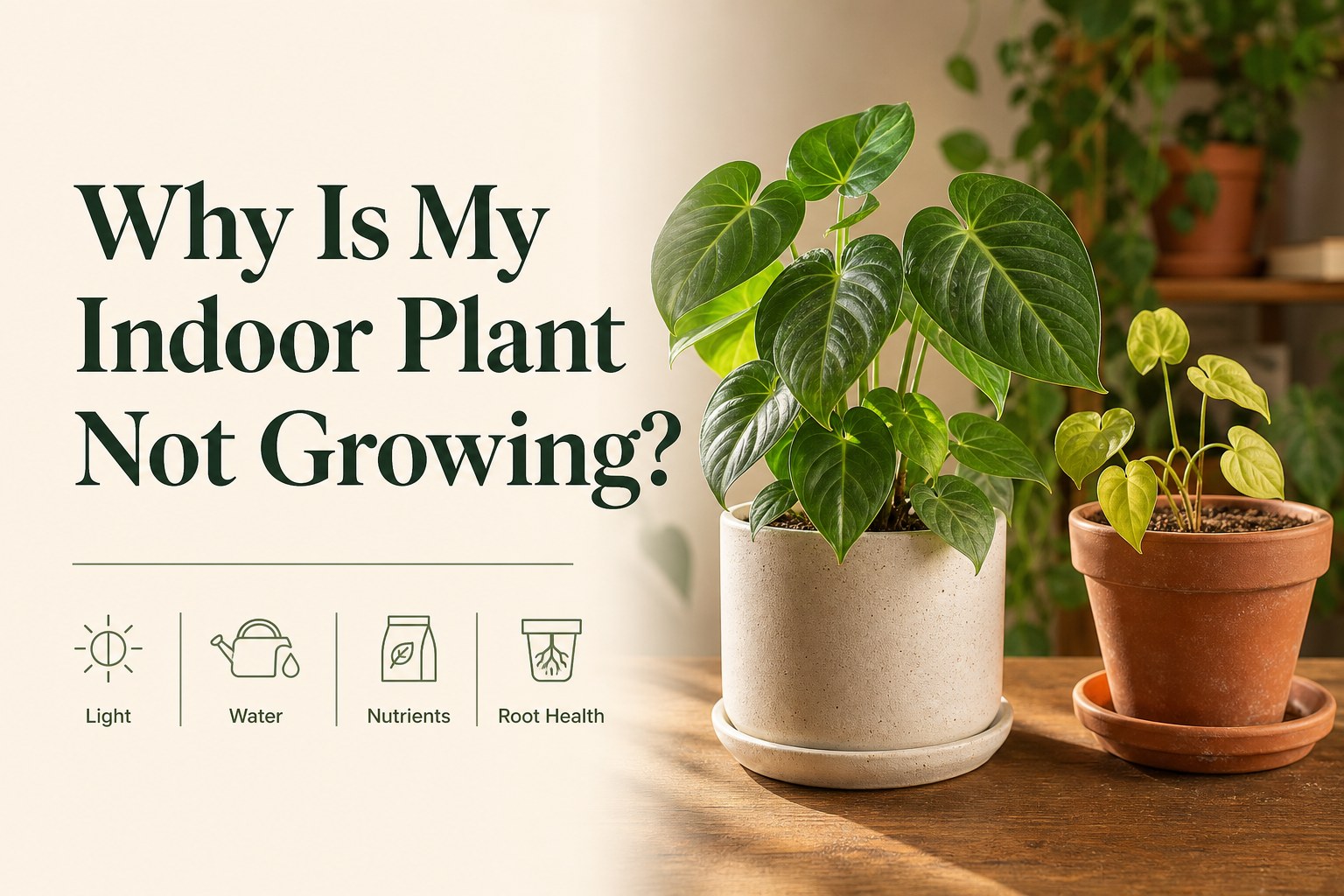
If you’ve noticed your indoor plant not growing as expected, you’re not alone. Several common factors—like insufficient light, overwatering, or nutrient deficiencies—can slow a plant’s progress or stall its growth entirely. Understanding these issues calmly helps you take practical steps toward healthier plants. This article will help you identify the typical reasons behind a lack of growth and offer straightforward suggestions to encourage your indoor greenery to thrive again.
Table of Contents
- Common Causes of Indoor Plant Stunted Growth
- Insufficient Light
- Improper Watering
- Poor Soil and Drainage
- Nutrient Deficiency
- Pests and Diseases
- How to Revive Your Indoor Plant
- Adjusting Light Conditions
- Watering Tips and Soil Care
- Feeding and Fertilizing
- Pest Control Methods
- Additional Considerations
- Plant Age and Growth Cycles
- Environmental Factors
- Frequently Asked Questions
- How do I know if my indoor plant isn’t getting enough light?
- How often should I water my indoor plants to encourage growth?
- What are simple ways to improve soil quality for better plant growth?
Common Causes of Indoor Plant Stunted Growth
When your indoor plant is not growing as expected, it often results from environmental or care-related issues that can usually be identified and corrected. Understanding these common causes helps you provide the right conditions for growth and avoid frustration.
For related watering guidance, see How Often Should You Water Indoor Plants? A Beginner’s Guide.
Insufficient Light
Light is essential for photosynthesis, which fuels your plant’s growth. If a plant doesn’t receive enough light, you may notice slow growth, pale leaves, or stretching as it reaches toward a light source. Light requirements vary by species. Many common houseplants grow well in bright, indirect light, while others tolerate lower light or prefer some direct sun. Consider moving your plant closer to a window or supplementing with a grow light to meet its needs.
Improper Watering
Both overwatering and underwatering can stunt growth. Possible signs of overwatering include yellowing leaves and soggy soil, while underwatering may cause dry, brittle leaves and soil pulling away from the pot edges. To gauge watering needs, compare the soil moisture, pot weight, recent watering schedule, and current growing conditions. Testing soil moisture before watering can prevent these extremes. For detailed advice, refer to How Often Should You Water Indoor Plants? A Beginner’s Guide. Monitoring soil moisture carefully keeps the roots healthy and supports steady growth.
Poor Soil and Drainage
Using the wrong type of soil or containers without good drainage can keep roots wet and oxygen-starved, or too dry if the soil doesn’t retain moisture adequately. Well-draining soil mixes designed for indoor plants and pots with drainage holes promote healthy root systems. Avoid heavy garden soil indoors, and consider repotting if you suspect waterlogged roots are hindering growth.
Nutrient Deficiency
Plants need nutrients, but leaf discoloration, small new leaves, and slow growth have several possible causes. These symptoms can be associated with nutrient problems, but they may also result from watering, light, root, or environmental stress. Check the plant’s overall conditions before fertilizing; if feeding is appropriate, follow the product label conservatively.
Pests and Diseases
Pests such as spider mites, aphids, or scale insects can weaken a plant by feeding on sap, while diseases may cause leaf spots, mold, or root rot. Inspect your plant regularly for signs of infestation or illness. Early detection helps you treat problems before they severely impact growth. Removing affected parts and using gentle plant-safe treatments can restore plant health.
How to Revive Your Indoor Plant
If you notice your plant isn’t thriving indoors, it’s time to take some practical steps to encourage new growth and restore its health. Reviving a struggling houseplant often involves fine-tuning the light, water, nutrients, and pest management to create a supportive environment. Here’s how to approach each key factor carefully and effectively.
Adjusting Light Conditions
Light is one of the most important factors affecting your plant’s growth. First, consider whether your plant is getting too little or too much light. Many indoor plants thrive in bright, indirect sunlight rather than direct rays, which can scorch leaves, or very dim corners, which can stunt growth. Observe your plant’s positioning and move it closer to a window if it seems to struggle in low light, or consider filtering harsh sunlight with sheer curtains. Keep in mind that some plants prefer medium light, so checking your specific plant’s needs helps prevent over- or under-exposure. If natural light is insufficient, supplemental grow lights designed for houseplants can be an effective solution to help encourage development.
Watering Tips and Soil Care
Watering incorrectly is a common reason for an indoor plant not growing well. Overwatering can lead to root rot, while underwatering causes wilting and nutrient deficiencies. Check the potting mix at a depth appropriate for the species. Water according to its moisture needs rather than waiting for a universal level of dryness. Use pots with drainage holes to prevent waterlogging. Refreshing the potting soil can also improve growth, as soil can lose nutrients or become compacted over time. Choose a lightweight, well-draining mix appropriate for your plant species. Repotting may be necessary if the plant has outgrown its container, giving roots more space to thrive.
Feeding and Fertilizing
Nutrients are vital for plant vitality, but fertilizer needs vary by species, product formulation, growth rate, season, light levels, and potting mix. Indoor soil can deplete over time, so feeding your houseplant based on its specific requirements and the fertilizer label helps maintain steady growth. Use a balanced, water-soluble fertilizer designed for indoor plants and follow the product’s directions rather than a universal calendar. Avoid over-fertilizing, which can harm roots and cause leaf burn. Consider slow-release fertilizers as an alternative for consistent feeding. Remember that indoor plants often need less fertilizer in the dormant winter months. Combining proper feeding with watering and light adjustments can effectively address the reasons behind an indoor plant not growing as expected.
Pest Control Methods
Pests can silently damage an indoor plant, hindering its development. Common invaders include spider mites, aphids, and mealybugs, which can sap nutrients and weaken the plant. Regularly inspect your plant’s leaves and stems for small insects, sticky residue, or webbing signs. If pests are present, identify them before choosing a treatment appropriate for the pest and plant species, such as a labeled insecticidal soap when suitable; follow the product directions. Keeping new plants separate at first reduces the risk of pest spread. Maintaining a clean environment and monitoring regularly supports your plant’s gradual recovery and growth after pest-related setbacks.
For more detailed care routines and tips, you might find the Indoor Plant Care Guide for Beginners: Everything You Need to Know helpful as you work on reviving your indoor greenery.
Additional Considerations
Sometimes, even when the basics are covered, your indoor plant may still not show expected growth. Beyond common causes, it’s important to consider factors like the plant’s age and its environment, which play vital roles in development.
Plant Age and Growth Cycles
Each plant has its own timeline for growth. Younger plants often grow faster as they establish roots and foliage, while mature plants may slow down, focusing more on maintenance than expanding size. Understanding your plant’s typical growth cycle helps set realistic expectations. Some species naturally enter dormant phases where growth pauses, especially in cooler months or lower light. Patience during these times is key, as pushing for rapid growth against nature’s rhythm can stress the plant.
Environmental Factors
Beyond light and water, subtle environmental details greatly affect plant growth. Temperature fluctuations, drafts, and humidity levels can all impact development. Temperature and humidity needs vary by species; avoid abrupt changes in conditions. Sudden cold or dry air, such as near heaters or air conditioners, can stunt growth. Regularly checking and adjusting your plant’s surroundings ensures conditions encourage healthy growth rather than hinder it.
Frequently Asked Questions
How do I know if my indoor plant isn’t getting enough light?
Possible signs include slow growth, leggy stems, and pale or yellowing leaves. Moving the plant closer to a natural light source or using grow lights can help.
How often should I water my indoor plants to encourage growth?
Watering needs vary by plant type and environment, so check the potting mix at a depth appropriate for the species rather than relying on a fixed universal depth. Avoid overwatering, which can cause root rot.
What are simple ways to improve soil quality for better plant growth?
Use a potting mix appropriate for the species and repot when the current mix or container is no longer suitable, such as when the mix is compacted or degraded, roots circle densely, or the pot dries unusually quickly.