
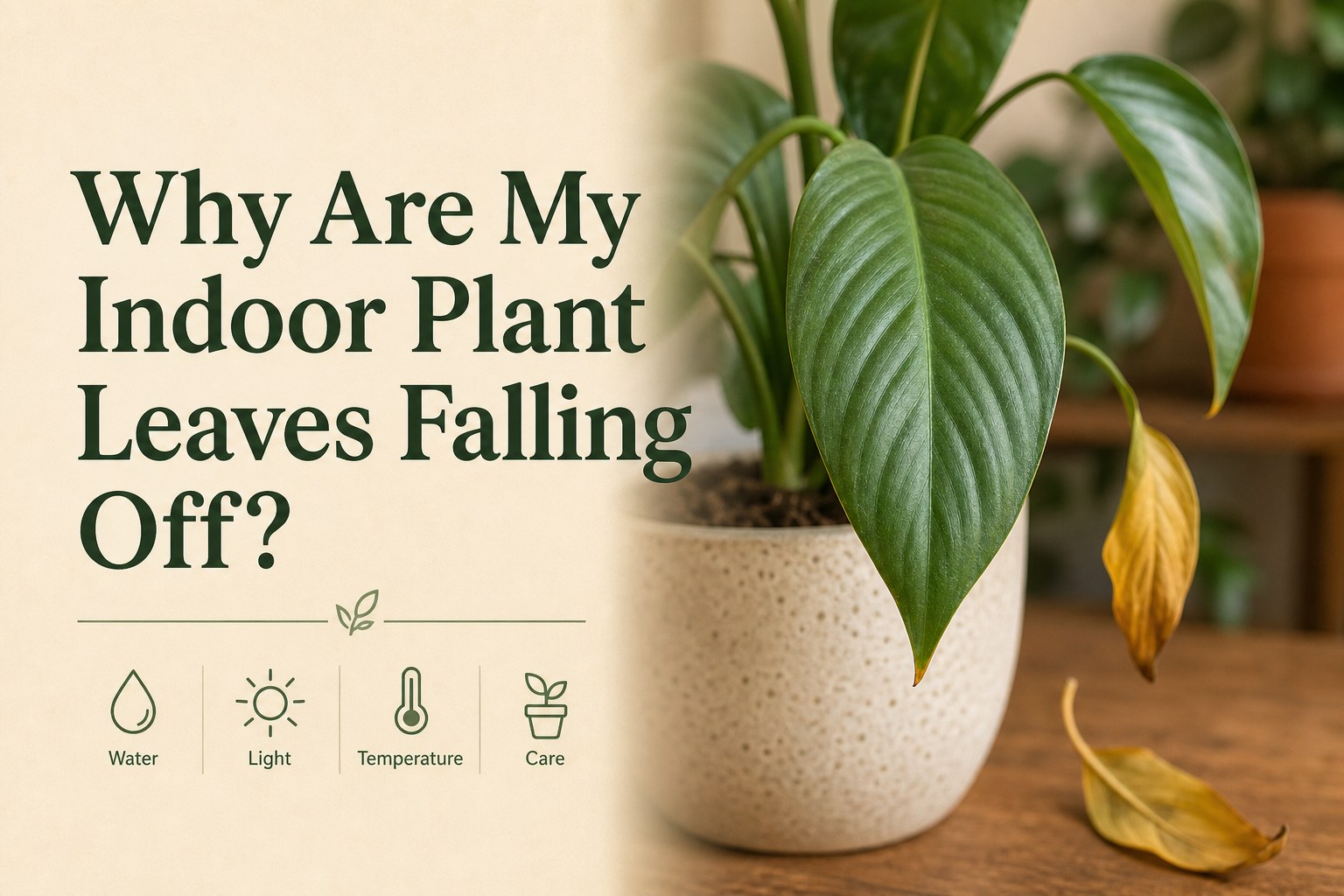
When indoor plant leaves start falling off, it can signal several common issues like improper watering, insufficient light, or sudden temperature changes. Understanding why this happens is key to helping your plants recover and thrive. In this article, you’ll find straightforward explanations of the typical causes behind indoor plant leaves falling off, along with practical steps to address them, ensuring your greenery stays stable and resilient.
Table of Contents
- Common Causes of Indoor Plant Leaves Falling Off
- Watering Problems: Overwatering and Underwatering
- Lighting Conditions Affecting Leaf Health
- Temperature and Humidity Factors
- Pests and Diseases That Cause Leaf Drop
- How to Fix and Prevent Leaves From Falling Off
- Adjusting Your Watering Routine
- Improving Light Exposure and Environment
- Treating Pests and Diseases Effectively
- Frequently Asked Questions
- Why are the leaves on my indoor plant turning yellow and falling off?
- How can I tell if my indoor plant’s leaf drop is caused by pests?
- Is it normal for indoor plants to lose some leaves sometimes?
Common Causes of Indoor Plant Leaves Falling Off
Noticing your plant’s leaves dropping can be worrying, but understanding the common causes makes troubleshooting much easier. Various environmental and care factors often play key roles. Among these, watering habits, light exposure, and climate conditions stand out as frequent culprits behind leaves falling prematurely indoors. By adjusting these elements carefully, you can often help your plant recover and thrive.
Watering Problems: Overwatering and Underwatering
Water management is critical to your plant’s well-being. Both excessive and insufficient watering often lead to leaves dropping. Overwatering saturates the soil, suffocating roots and causing them to rot. This can result in limp, yellowing leaves that eventually fall off. Conversely, underwatering deprives roots of necessary moisture, causing leaves to dry, brown at the edges, and drop.
A practical approach is to check soil moisture before watering. Check the potting mix at a depth appropriate for the species; if it feels dry there, the plant may be ready for water depending on its current growing conditions. Avoid sticking to rigid schedules, as plant water needs vary by species, pot size, and environment. Drainage is another critical factor; ensure pots have holes to prevent waterlogging.
For more details on maintaining proper moisture, the How Often Should You Water Indoor Plants? A Beginner’s Guide offers clear recommendations for different plant types and conditions.
Lighting Conditions Affecting Leaf Health
Light affects photosynthesis directly, so incorrect exposure impacts leaf health significantly. Too little light can cause leaves to yellow and drop as the plant struggles to produce energy. On the other hand, intense direct sunlight may scorch leaves, producing brown spots and eventual leaf loss.
Understanding your plant’s light preferences is key. Some thrive in bright, indirect light, while others prefer shaded areas. Placement near windows with filtered light or using grow lights can provide the appropriate intensity. Regularly rotating your plant helps all sides receive adequate exposure, preventing uneven growth and leaf drop.
For beginner-friendly guidance on balancing natural and artificial light sources, the Indoor Plant Care Guide for Beginners: Everything You Need to Know is an excellent resource.
Temperature and Humidity Factors
Indoor plants generally prefer stable temperatures and moderate humidity. Sudden temperature fluctuations, drafts from windows or air conditioners, and exposure to heating vents often stress plants, triggering leaf drop. Many common tropical houseplants grow well in typical indoor temperatures, although ideal temperature ranges vary by species.
Humidity also plays a role, especially for tropical species that require higher moisture in the air. Dry indoor environments can cause leaves to lose moisture faster than roots can supply, leading to crisp edges and leaf loss. If a species benefits from higher humidity, a room humidifier can provide a more consistent increase. Grouping plants may also slightly raise humidity immediately around the foliage.
Paying attention to these factors helps prevent unnecessary leaf drop and supports overall plant health indoors.
Pests and Diseases That Cause Leaf Drop
Pests, foliar diseases, and root problems can also contribute to leaf drop. Spider mites, aphids, and scale may damage leaves and stems, while diseases or root rot can weaken the plant and lead to yellowing, wilting, or leaf loss. Check the plant and its roots before choosing a treatment.
How to Fix and Prevent Leaves From Falling Off
When indoor plant leaves start dropping, it’s a signal that something in their care needs adjustment. Fixing and preventing leaf fall involves tuning your watering habits, optimizing light and environmental conditions, and addressing any pest or disease issues promptly. Correcting these factors helps your plants regain stability and thrive indoors.
Adjusting Your Watering Routine
Watering is often the key to resolving leaf drop. Overwatering can suffocate roots, leading to rot and leaf loss, while underwatering causes stress and drying that also triggers leaves to fall. Aim to water your plant only when the soil feels dry at a depth appropriate for its species. Use pots with drainage holes to avoid waterlogging, and be consistent but flexible—plants’ needs change with seasons and indoor conditions. Checking soil moisture regularly helps prevent extremes that cause leaves to drop.
Improving Light Exposure and Environment
Light levels directly affect leaf retention. Insufficient brightness can weaken plants, causing older leaves to yellow and fall, while too much direct light may scorch foliage. Position your plant near a window with filtered sunlight or use grow lights if natural light is limited. Also, maintain stable temperatures and avoid drafts or sudden changes, as fluctuations can stress plants and promote leaf drop. Humidity matters for some species, so adjust it only if the plant’s needs and room conditions call for it.
Treating Pests and Diseases Effectively
Pests and diseases often cause sudden or patchy leaf fall. Inspect your plant regularly for signs like sticky residue, webbing, spots, or discoloration. Treat infestations early using appropriate methods such as insecticidal soap, neem oil, or targeted pesticides, depending on the issue. Removing affected leaves and improving air circulation can help control fungal problems. For detailed guidance, see the section on Pests and Diseases That Cause Leaf Drop to identify the culprits and apply the best treatments.
Frequently Asked Questions
Why are the leaves on my indoor plant turning yellow and falling off?
Yellowing and falling leaves can result from overwatering, poor drainage, insufficient light, natural aging, root stress, or other environmental changes. Check the soil, roots, light conditions, and recent care changes before deciding on a cause.
How can I tell if my indoor plant’s leaf drop is caused by pests?
Look for visible signs like webbing, tiny insects, sticky residue, or discolored spots on leaves. Treat with appropriate pest control methods if you detect infestations.
Is it normal for indoor plants to lose some leaves sometimes?
Yes, occasional leaf drop can be natural as older leaves die off. However, excessive or sudden leaf loss can indicate watering problems, environmental stress, pests, root issues, or another change in growing conditions.