
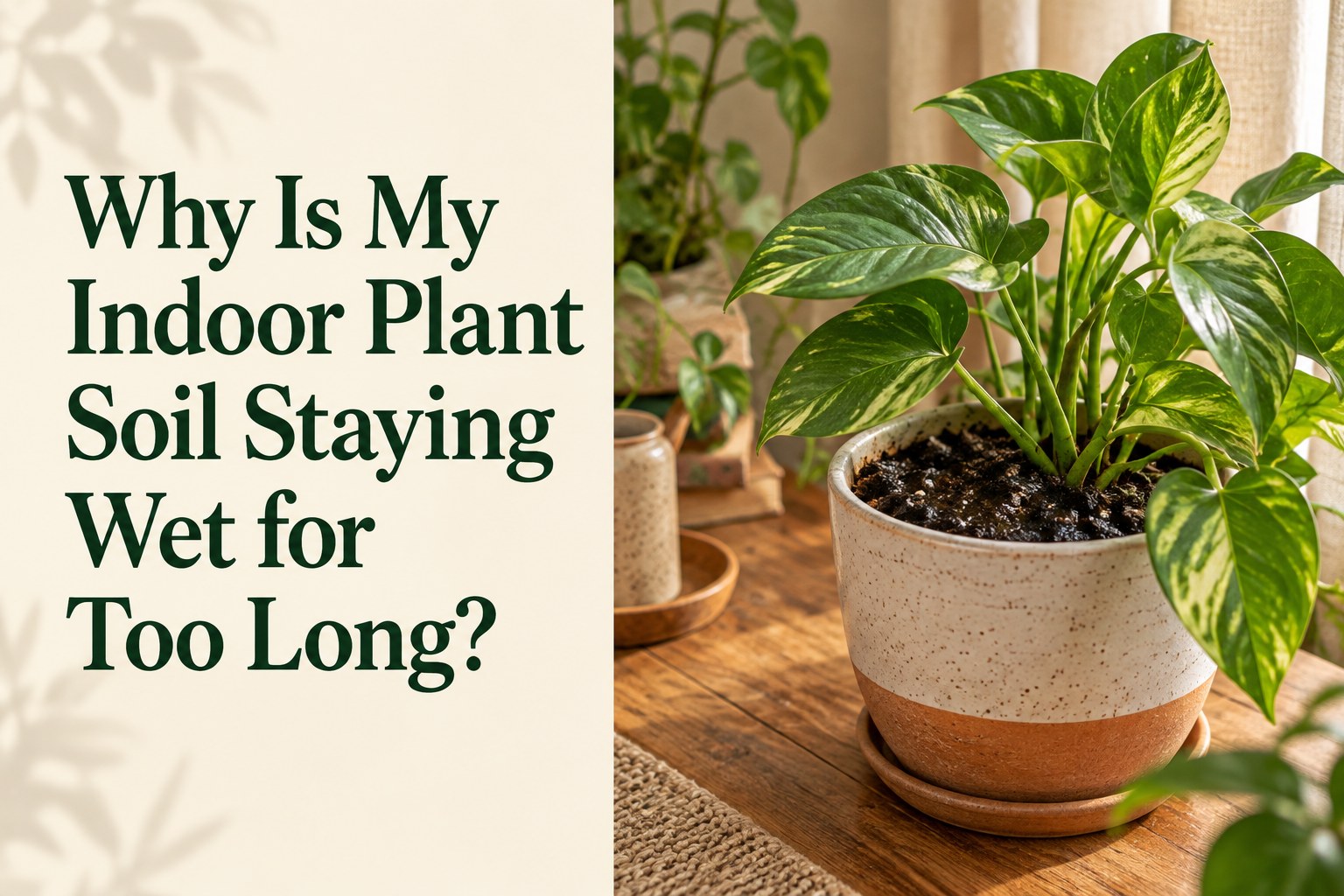
If you’ve noticed your indoor plant soil staying wet for too long, it could be a sign that your plant’s environment or care routine needs some adjustment. Excess moisture in the soil can lead to problems like root rot and poor growth, which can stress your plant even if you’re watering with good intentions. Understanding why the soil doesn’t dry out as expected can help you create better conditions to support your plant’s health. This article explores common reasons behind persistently damp soil and offers practical tips to help you manage moisture levels effectively.
Table of Contents
- Causes of Indoor Plant Soil Staying Wet Too Long
- Overwatering and Soil Moisture
- Poor Soil Drainage
- Inappropriate Pot Types
- Environmental Factors Affecting Drying Time
- How to Fix Wet Soil Problems
- Adjusting Watering Frequency
- Improving Soil and Drainage
- Choosing the Right Pot
- Tips for Plant Care and Prevention
- Monitoring Soil Moisture Effectively
- Best Practices for Watering Indoor Plants
- Frequently Asked Questions
- How can I tell if I am overwatering my indoor plants?
- Can the type of pot affect how quickly soil dries?
- What should I do if my soil never seems to dry out?
Causes of Indoor Plant Soil Staying Wet Too Long
When soil remains soggy for an extended period, it often points to one or more common issues that affect water absorption and evaporation. Understanding these underlying causes helps pinpoint what might be preventing your indoor plants’ growing medium from drying properly and can guide you toward better habits or adjustments.
Overwatering and Soil Moisture
One of the primary reasons soil stays wet too long is overwatering. Adding more water than the plant needs causes the soil to stay saturated because it doesn’t have a chance to dry out between waterings. Overwatering saturates the soil pores, limiting oxygen availability to the roots and slowing down evaporation. Many beginners water on a set schedule rather than checking soil moisture, which can result in consistently soggy conditions.
Poor Soil Drainage
Soil that holds too much water often lacks adequate drainage. Using potting mixes that are dense or heavily compacted, such as garden soil or mixes without enough coarse components like perlite or sand, prevents excess water from flowing through. This kind of soil traps moisture, creating a consistently wet environment. Good drainage is essential for air circulation and preventing root problems caused by standing water.
Inappropriate Pot Types
The type of container influences how quickly potting mix dries. Pots without drainage holes can leave water collecting at the bottom. Non-porous containers such as plastic or glazed ceramic usually lose moisture more slowly than terracotta. This is not necessarily a problem, but watering frequency may need to be adjusted accordingly. Unglazed clay pots can also dry the mix more quickly in some environments.
Environmental Factors Affecting Drying Time
Conditions such as low indoor temperatures, high humidity, and limited airflow slow down the evaporation process, causing soil to remain damp for longer periods. Indoor settings with poor air circulation restrict moisture exchange between the pot’s surface and the surrounding air. Additionally, placing plants in shaded spots or cooler areas that don’t receive much warmth can also prolong drying time, even if watering habits are appropriate.
How to Fix Wet Soil Problems
Excess moisture in plant soil can lead to root problems and delayed growth, so it’s important to adjust your care practices to encourage proper drying. Here’s how to tackle persistent dampness in your indoor containers and maintain a better balance.
Adjusting Watering Frequency
One of the most straightforward fixes is to water less often. Check the soil moisture at a depth appropriate for the species with your finger; only water when it feels dry at that level. Overwatering is a common cause of consistently wet soil, so reducing the frequency ensures the potting mix has time to dry out. A moisture meter can provide an additional reference, but use it together with checking the potting mix, pot weight, and the plant’s condition.
Improving Soil and Drainage
Changing your potting medium can greatly improve drainage and aeration. Choose well-draining soil blends made for indoor plants, often containing components like perlite, vermiculite, or bark chips. These ingredients prevent soil compaction and help excess water move away from roots swiftly. Additionally, use a container with drainage holes and select a potting mix appropriate for the species to ensure proper water flow and avoid waterlogging.
Choosing the Right Pot
The container itself plays a role in moisture management. Pots with drainage holes allow excess water to escape. An oversized pot may remain wet longer because a larger volume of mix can hold more moisture than the root system can use efficiently. Choose a container suited to the root ball, then adjust watering to the plant and pot material. Plastic and glazed ceramic can work well, while terracotta usually allows faster evaporation. If your pot lacks holes, consider a container that permits drainage.
Tips for Plant Care and Prevention
Ensuring that your potted plants thrive means paying close attention to watering habits and soil moisture levels. When soil remains soggy for too long, roots can’t breathe, which may harm the plant. To avoid this, adopting good care routines is essential. Below are practical ways to monitor moisture and water your indoor plants effectively, helping prevent waterlogged soil and its complications.
Monitoring Soil Moisture Effectively
To manage moisture appropriately, regularly check the soil at a depth suitable for the specific species and its root zone before watering. Use a moisture meter or stick your finger into the soil at this appropriate depth—if it feels damp, hold off on adding more water. This habit helps prevent overwatering, a common cause of indoor plant soil staying wet for too long. Consistent checks make it easier to adapt your watering schedule to your plant’s actual needs instead of relying on a fixed depth. For those new to indoor gardening, consulting resources like How Often Should You Water Indoor Plants? A Beginner’s Guide can provide valuable insights on reading your plant’s cues and soil condition.
Best Practices for Watering Indoor Plants
When it’s time to water, do so thoroughly until water drains out of the bottom of the pot, ensuring deep soil hydration. Avoid frequent light watering that leaves the soil constantly moist but never soaked through. Choosing a pot with drainage holes and using light, well-draining potting mixes are also key. These practices keep excess water moving away from roots, reducing the chance of soil staying soggy. For further guidance on these care habits and more, see the detailed strategies in the Indoor Plant Care Guide for Beginners: Everything You Need to Know.
Frequently Asked Questions
How can I tell if I am overwatering my indoor plants?
Consistently wet mix, yellowing leaves, wilting despite moisture, or a rotten smell can be consistent with overwatering, but none proves it alone. Check moisture through the root zone, drainage, pot size, and the condition of the roots before deciding what to change.
Can the type of pot affect how quickly soil dries?
Yes. A pot without drainage holes may hold standing water, while plastic or glazed ceramic usually loses moisture more slowly than terracotta. Neither material is inherently unsuitable; check the mix and adjust watering to the container and plant.
What should I do if my soil never seems to dry out?
Review your watering schedule to reduce frequency, ensure your pot has drainage, and consider repotting with well-draining soil. Also check environmental factors like light and airflow that influence drying time.