
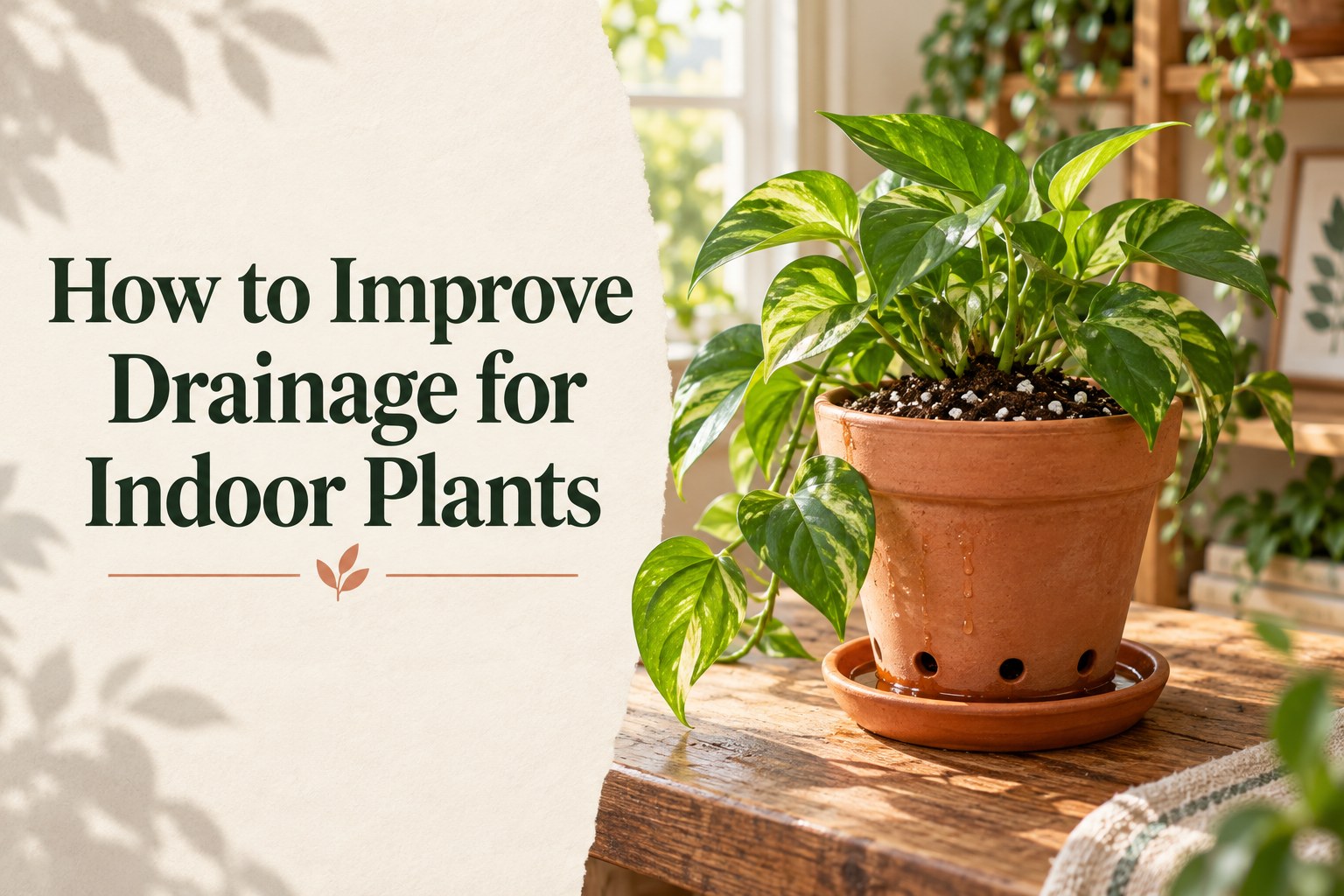
Proper drainage is essential for the well-being of indoor plants because it allows excess water to escape, preventing the roots from sitting in soggy soil. Without adequate drainage, roots can become waterlogged, leading to rot and poor nutrient absorption that weakens the plant over time. To improve drainage for indoor plants, you don’t need complicated tools or materials—simple adjustments in pot choice, soil mix, and watering habits can make a significant difference. This article offers practical steps you can easily apply to ensure your plants have the right conditions to thrive.
Table of Contents
- Why Good Drainage Matters for Indoor Plants
- Recognizing Signs of Poor Drainage
- Methods to Improve Drainage
- Choosing the Right Soil and Pot
- Do You Need a Drainage Layer?
- Modifying Pots for Better Drainage
- Adjusting Watering Practices
- Frequently Asked Questions
- How do I know if my indoor plant has drainage problems?
- Can I improve drainage without repotting my plant?
- How often should I water indoor plants if drainage is improved?
Why Good Drainage Matters for Indoor Plants
Indoor plants depend heavily on the right balance of moisture in their soil. Good drainage helps prevent water from sitting at the roots where it can cause damage. When excess water can flow out easily, roots remain healthy and are better able to absorb nutrients. Without proper drainage, roots may suffocate or rot, which weakens the plant and increases vulnerability to diseases.
Watering is key to plant care, but it’s just as important to make sure the soil doesn’t stay waterlogged. Many beginners struggle with this balance. For help, see How Often Should You Water Indoor Plants? A Beginner’s Guide to learn about watering frequency and soil moisture.
Besides protecting root health, good drainage also encourages proper air circulation within the potting mix. This atmosphere supports beneficial microbes that keep the soil ecosystem balanced, promoting steady growth and vitality.
When drainage is poor, salt and mineral buildup can happen in the soil, harming plants over time. Ensuring excess water can escape helps flush these substances out and refreshes the root environment.
To get the most out of your indoor garden, focusing on how you manage moisture through drainage systems is essential. For more practical tips on everyday care and maintaining a thriving indoor garden, check out the Indoor Plant Care Guide for Beginners: Everything You Need to Know.
Recognizing Signs of Poor Drainage
If the potting mix stays wet for an unusually long time or water pools after watering, check whether the container and mix are draining as expected. Yellowing or drooping leaves, a soft stem base, and an unpleasant smell can occur when the root zone remains excessively wet, but they can also have other causes. Confirm the problem by checking how long the mix stays wet, whether water can leave the container, and the condition of the roots. Brown, soft roots may point to damage, but foliage symptoms alone are not a diagnosis. These checks help you decide which drainage adjustment, if any, the plant needs.
Methods to Improve Drainage
Improving how water moves through your indoor plant’s potting mix can make a difference in root health. Start by checking the mix and container, make sure drainage holes are open, and adjust watering to the plant’s needs. A separate layer of stones inside the pot is not needed.
Choosing the Right Soil and Pot
Choose a potting mix suited to the species rather than a universal drainage recipe. Depending on the plant, a suitable mix may include structural ingredients such as perlite, pumice, bark, or other coarse components that help maintain air spaces. Garden soil alone can compact in a container. Pot choice matters too: unglazed terracotta may lose moisture through its walls, but no pot material guarantees good drainage. Check that the inner pot has unobstructed drainage holes. If you prefer a decorative container without holes, keep the plant in a draining inner pot and empty any water that collects in the outer one.
Do You Need a Drainage Layer?
A separate layer of gravel, rocks, or pebbles at the bottom of the pot is not necessary. Water can remain in the potting mix above that layer.
Instead, manage drainage with a mix appropriate for the species and unobstructed drainage holes. After watering, check that excess water leaves the pot and empty any water collected in a saucer or cachepot.
Modifying Pots for Better Drainage
If a pot has blocked or too few drainage holes, check the openings first. Adding a hole may be possible for some materials, but drilling delicate or glazed ceramics can crack them; using a draining nursery pot inside a decorative container is another option. Pot feet or a rack placed underneath a draining container can keep its holes from sitting flush against a surface. If a large hole lets mix escape, a small piece of mesh over the opening can help retain the mix as long as it does not block water flow. None of these changes replaces a potting mix suited to the plant.
Adjusting Watering Practices
Your watering routine also affects how long the root zone stays wet. When watering, let excess water drain and empty collected water from saucers or cachepots. Check the potting mix at a depth appropriate for the species and its root zone rather than relying on a fixed universal depth. Water when the plant’s current moisture needs call for it, taking the mix, pot weight, and growing conditions into account. A suitable mix, an open drainage path, and plant-appropriate watering work together to reduce moisture problems.
Frequently Asked Questions
How do I know if my indoor plant has drainage problems?
Water pooling or mix that stays wet for an unusually long time may suggest a drainage problem. Yellowing, wilting, or a musty smell can occur with excess moisture but also have other causes. Check the mix, drainage holes, and roots before deciding what is wrong.
Can I improve drainage without repotting my plant?
Sometimes. Make sure drainage holes are unobstructed, empty standing water from saucers or cachepots, and adjust watering to the plant’s current moisture needs. If the potting mix is compacted or unsuitable for the species, repotting into an appropriate mix may be necessary.
How often should I water indoor plants if drainage is improved?
Improved drainage helps avoid overwatering, but watering frequency depends on plant type and conditions. Refer to guides like “How Often Should You Water Indoor Plants? A Beginner’s Guide” for detailed advice.