
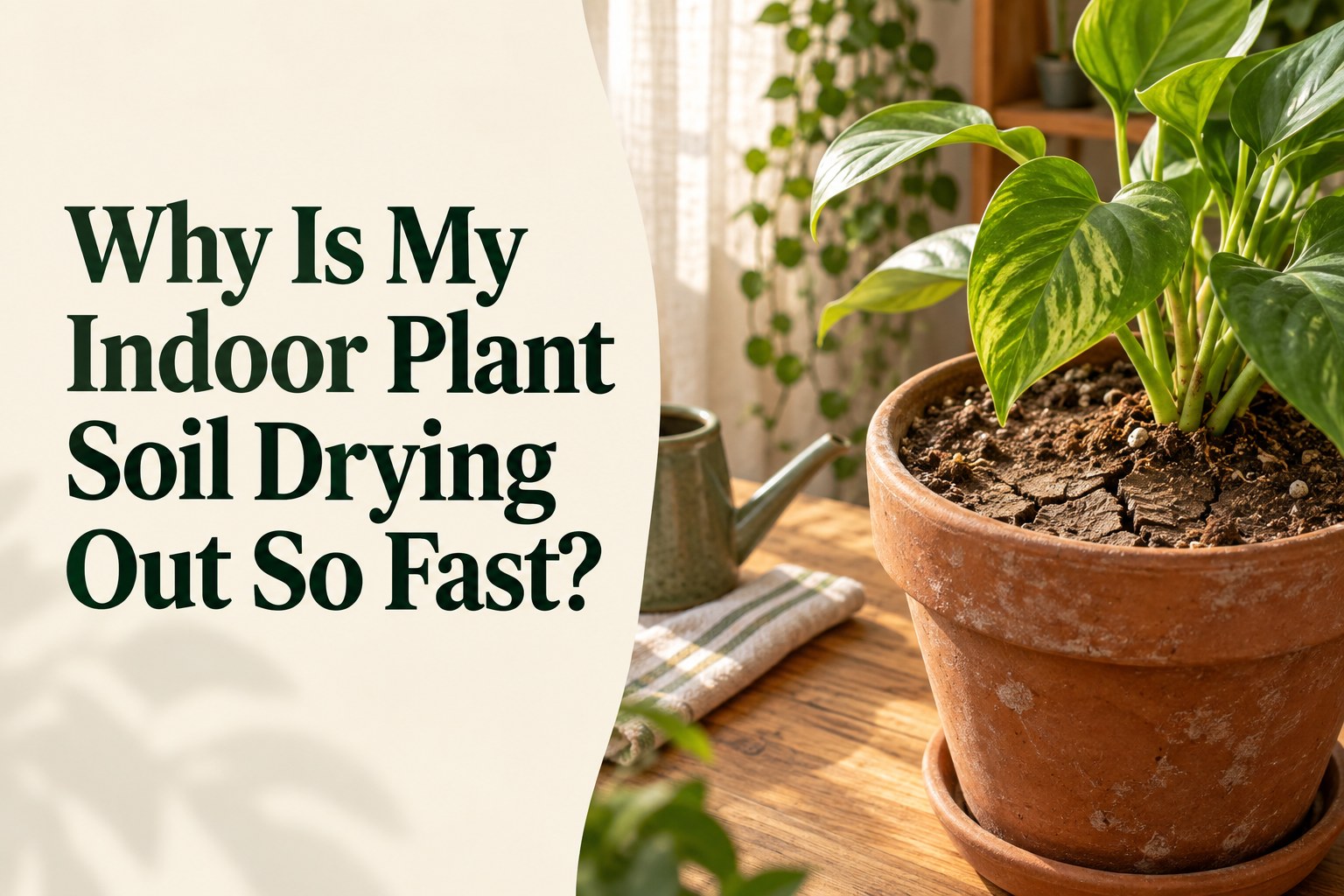
If you’ve noticed your indoor plant soil drying out fast, you’re not alone. Several factors can cause this, including the environment around your plant, how often and how much you water, and the type of soil used. Understanding what influences soil moisture helps you create better conditions for your plants and keeps them thriving. This article offers practical advice to help you manage water retention and avoid letting the soil dry out too quickly.
Table of Contents
- Common Causes of Indoor Plant Soil Drying Out Fast
- Environmental Factors Influencing Soil Drying
- How Watering Habits Affect Soil Moisture
- Soil and Pot Characteristics That Affect Drying
- How to Manage and Prevent Rapid Soil Drying
- Correct Watering Techniques for Indoor Plants
- Optimizing Soil Mix and Pot Choice
- Adjusting Environmental Conditions
- Frequently Asked Questions
- Why does my indoor plant’s soil dry out faster than before?
- How often should I water plants if the soil dries out quickly?
- Can changing the pot or soil reduce how quickly soil dries out?
Common Causes of Indoor Plant Soil Drying Out Fast
Indoor garden enthusiasts often notice their potting mix losing moisture quicker than expected. Several factors can cause soil in houseplants to dry rapidly, ranging from where you place your plants to the type of pot and soil used. Understanding what speeds up drying can help you adjust care routines to keep your plants comfortably hydrated without overwatering. Let’s explore some typical reasons why soil may not be retaining moisture as long as you anticipate.
Environmental Factors Influencing Soil Drying
The environment inside your home plays a key role in how quickly soil loses moisture. Warm temperatures accelerate evaporation, so plants near heaters, radiators, or in direct sunlight often experience faster drying. Conversely, cooler spots or areas with less light tend to keep soil damp longer. Low humidity, which is common in many indoor settings especially during winter with heating systems running, also draws moisture from the soil and the plant itself. Additionally, good air circulation speeds up the drying process by carrying moisture away from the soil surface. Placing plants near open windows or fans can unintentionally speed up drying. Being mindful of these environmental conditions helps explain why you might see soil drying at different rates within your indoor garden.
How Watering Habits Affect Soil Moisture
Your watering routine affects how evenly the root zone becomes moist. Frequent light watering may wet only the upper portion of the potting mix, so the surface can dry again quickly while moisture deeper in the container remains uneven. Watering thoroughly when the plant actually needs it usually provides more even moisture throughout the root zone. If very dry mix resists absorbing water, water may run through before the root ball is fully moistened. Observing your plant’s needs helps adjust frequency—for guidance, check out our detailed resource on How Often Should You Water Indoor Plants? A Beginner’s Guide. Being consistent with watering while responding to changes in your home’s environment ensures soil retains enough moisture between sessions.
Soil and Pot Characteristics That Affect Drying
The type of soil and container you use drastically changes moisture retention. Soils rich in organic matter hold water well, whereas sandy or coarse mixes tend to drain and dry out quickly. Choosing the right potting mix tailored for your specific plant type is crucial. Additionally, pots made from porous materials like unglazed terra cotta allow water to evaporate through their walls, speeding up drying. In contrast, plastic or glazed ceramic pots retain moisture longer. Pot size also affects drying time. A tightly root-bound plant may have very little potting mix left to hold water, causing the container to dry quickly. An oversized pot, by contrast, may stay wet for much longer. Drainage holes allow excess water to escape, but the mix and root system still need to be considered together. Selecting the suitable soil and container combination helps balance moisture retention with healthy root aeration. For beginner-friendly advice on general indoor plant maintenance, visit our Indoor Plant Care Guide for Beginners: Everything You Need to Know.
How to Manage and Prevent Rapid Soil Drying
If you notice your indoor plant soil drying out fast, adjusting your care routine and environment can make a big difference. Simple changes help conserve moisture and support consistent hydration. Here are some practical ways to manage and prevent the soil from losing water too quickly.
Correct Watering Techniques for Indoor Plants
Watering indoor plants properly helps avoid both dryness and overwatering. Use room-temperature water and soak the soil evenly until water drains from the pot’s holes. Avoid light, frequent spritzing, which doesn’t penetrate deeply. Instead, let pots drain thoroughly to prevent root rot and encourage roots to grow in search of moisture. Check soil moisture by assessing the potting mix at a depth suitable for the species and its root zone—water again only when this layer feels dry. This approach ensures your plants get enough hydration without wasting water or letting the soil dry out too fast.
Optimizing Soil Mix and Pot Choice
The type of soil and container you use significantly influences how long moisture lasts. Choose a soil blend formulated for your plant’s needs, usually a well-draining mix that retains some moisture without becoming soggy. If the potting mix dries unusually fast, consider whether its structure suits the plant. Choose a mix appropriate for the species rather than automatically adding moisture-retentive ingredients. Also consider pot material and size: terracotta allows quicker evaporation, while plastic or glazed ceramic usually slows moisture loss. A densely rooted pot may have little mix left to hold water; choose a container suited to the root ball rather than a much larger one.
Adjusting Environmental Conditions
Environmental factors like light, temperature, and airflow affect soil drying rates. Bright light and warmth can increase moisture use and evaporation, but keep the plant in light appropriate for its species rather than reducing light solely to slow soil drying. Very dry air can contribute to faster moisture loss. Focus first on appropriate watering, pot size, and potting mix, and keep the plant away from strong heaters or drying vents. For more on why soil dries quickly, see Common Causes of Indoor Plant Soil Drying Out Fast.
Frequently Asked Questions
Why does my indoor plant’s soil dry out faster than before?
Soil may dry out faster due to increased temperature, low humidity, a change in watering routine, or using more porous soil or pots. Adjusting these factors can help balance moisture levels.
How often should I water plants if the soil dries out quickly?
Watering frequency depends on factors like plant type and environment, but it’s best to check soil moisture before watering. For more detailed advice, see ‘How Often Should You Water Indoor Plants? A Beginner’s Guide’.
Can changing the pot or soil reduce how quickly soil dries out?
Possibly. Choose a mix and pot size suited to the species and root ball; plastic or glazed ceramic usually dries more slowly than terracotta. Check for dense roots or mix that resists rewetting, and keep drainage holes clear.